
The Ultimate Guide to Attracting and Identifying Eastern Bluebirds

Share
The Bluebird of Happiness: A Complete Guide

The Eastern Bluebird (Sialia sialis) is perhaps one of the most beloved songbirds in North America. With its vibrant azure plumage and gentle "thrush-like" warble, it has long been a symbol of hope and renewal. Historically, these birds were common in open orchards and farmsteads, but they faced significant declines in the mid-20th century.
Conservation efforts, particularly the establishment of bluebird trails, have orchestrated a remarkable comeback. Today, they are a frequent sight for backyard birders who provide the right combination of food, water, and nesting sites.
Identification: Male vs. Female
While both sexes share the characteristic rusty-orange breast, the male boasts a much more intense royal blue. The female is more demure, with grayish-blue tones and a subtler orange wash.

Creating a Bluebird Haven
Success in attracting bluebirds depends on understanding their specific needs. They prefer open areas with low grass, which allows them to hunt for ground-dwelling insects.

Ideal open-space habitat

Properly mounted nest box
Feeding and Watering
While they are primarily insectivores, bluebirds will visit feeders, especially during winter when high-energy food is scarce. Mealworms are their absolute favorite treat.

Bluebirds love dried mealworms

A fresh water source is vital
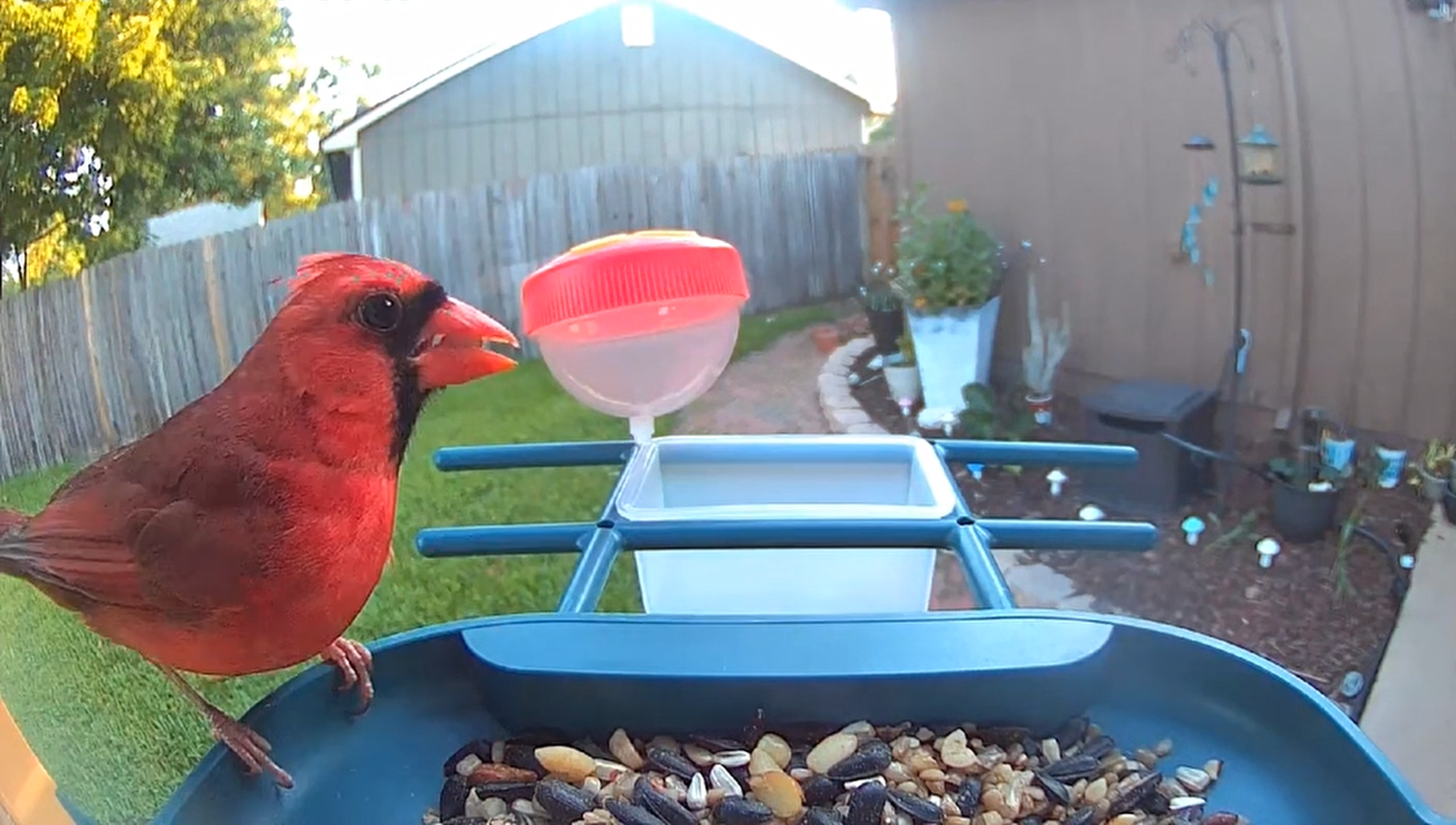
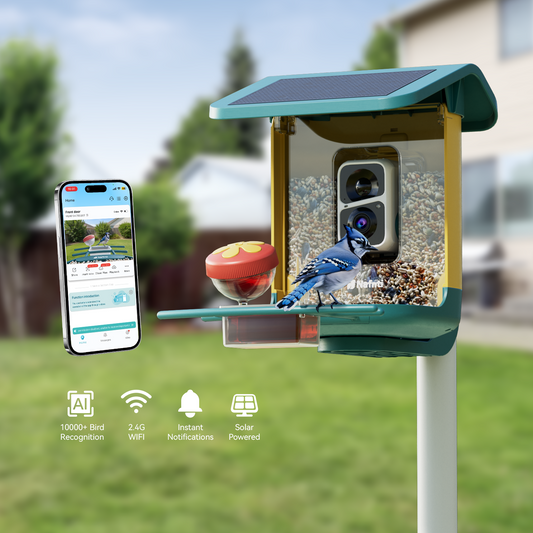
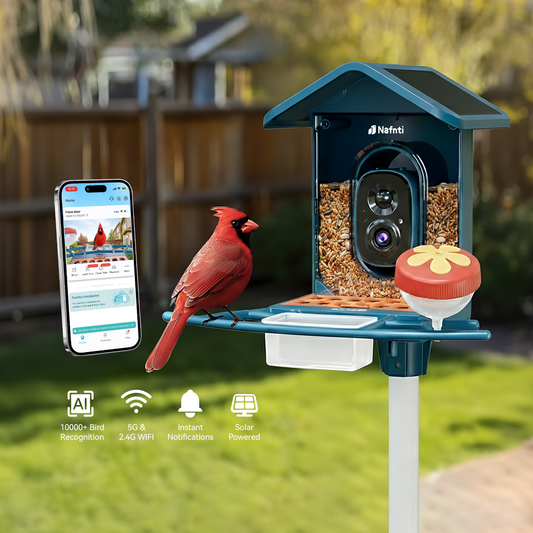
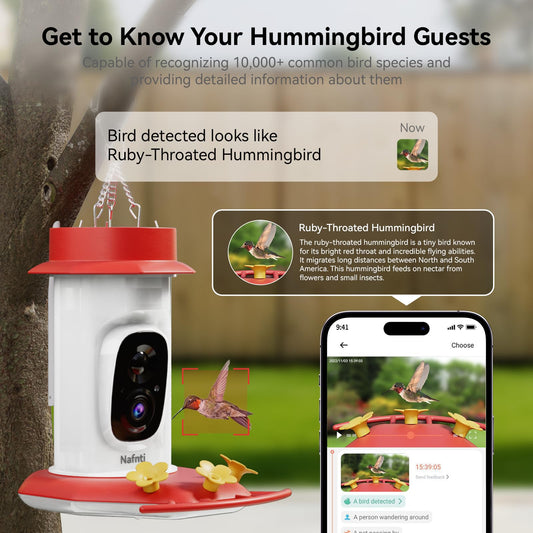
Observation with Technology
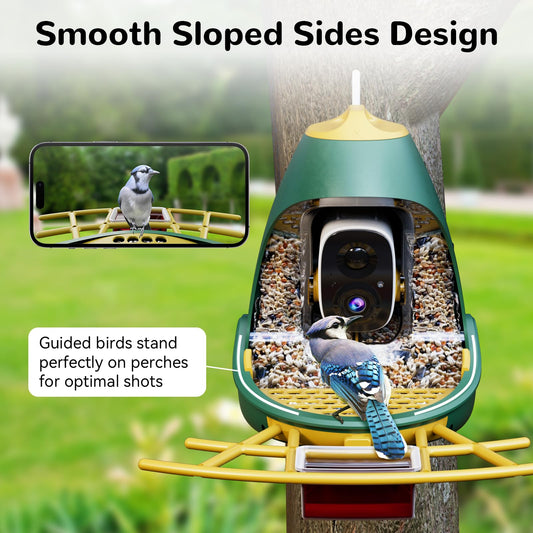
Modern birders are increasingly using smart technology to witness the secret lives of bluebirds. 2K high-definition cameras allow for unprecedented views without disturbing the birds.